 Author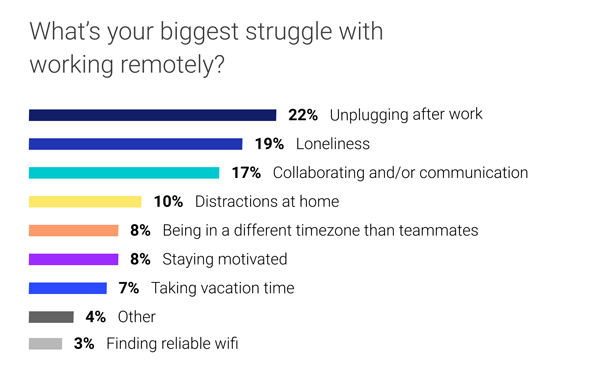

At the start of the Covid-19 pandemic, companies around the world engaged in unplanned remote work that spread around the world.
Now, more than two years later, as the pandemic subsides, many employers are reaping the much-needed benefits that a flexible work culture has brought to their organizations and their employees.
It's no secret these days that working from home or even hybrid mode works well. Organizations are experiencing increased productivity, employee engagement, and even greater profits from reduced office costs.
A Stanford University study of over 16,000 workers found that productivity increased by 9% to 13% because employees had a comfortable work environment.
Another Aritasker study from March 2020, when the pandemic had just begun, found that remote workers spend more time away from work and less time on assigned projects. Increased productivity and working hours allowed some workers to work at least 1.4 extra days each month.
There are some good stories that support the claim that remote work benefits the company and its employees.
While adapting to a virtual work environment can be a difficult time for many, key skills such as good communication skills remain valuable in any role, whether you work internally or in distributed teams.
Effective communication tips
The success of any business, startup or entrepreneur depends on the ability to communicate effectively with other team members, management or customers.
Effective communication is important, so employers and their teams need to improve their communication skills, both written and verbal, to defuse issues and communicate issues in a respectful but professional manner.
Select the email medium
For employers and managers, and even more so for employees, it's important to look at the messaging or communication tools your team is using. Although there are different communication platforms, not all are equally effective.
Some employees may feel uncomfortable using email to communicate due to the nature of the message; In other cases, a direct message on a desktop messaging platform like Slack or Microsoft Teams may be more appropriate. Your business may be receiving more video or voice calls each day than it needs to communicate via text message.
Each method can be effective in its own way, and it is up to the employer or employee to decide which is best for sharing information or getting feedback from others.
Look for group options
Some remote team members only communicate each day via their preferred method. Knowing people's preferences based on what each person wants to share will not only make it easier to get their attention, but also help set healthy boundaries for the virtual office.
In the year In a 2021 Owl Labs study, 70% of remote workers surveyed said virtual meetings and video conferencing are less stressful. The survey found that 64% now prefer hybrid meetings to face-to-face meetings.
Be clear and concise
There is nothing more boring than reading a long email and finding the most important information in the last two lines.
For Employers and Managers: Get into the flow by creating concise, clear, and concise messages. Get down to business as quickly as possible, but professionally.
The same goes for employees. When responding to a colleague or asking for information about something, avoid chatter in your emails and messages and be clear about your intentions. Again, it's important to do this professionally so complaints don't stem from misunderstandings.
Use a good and practical voice.
Lack of face-to-face or even face-to-face communication can lead to misunderstandings between employees. When you send an email or message, someone may misread it and find it confusing or perhaps even rude.
When creating an email, newsletter, or simply contacting someone, think about how you would read the email if you were the recipient. If you think this is too difficult, change some words. It's a good idea to think about how you talk, especially in a remote desktop context.
Not every employee or co-worker looks like you, so it's best to be thoughtful when sending and receiving work-related messages.
Pay attention to different time zones
Now that companies can hire from a large pool of talented and experienced workers, many telecommuting companies often hire workers from different time zones. And although this is not a critical issue due to the nature of digital devices, when it comes to communication, it becomes a little difficult.
Remote teams should clearly communicate how their activity time compares to other members. It is also necessary to make it clear how the rest of the staff can deal with it if an employee "doesn't leave" or is on vacation.
Mindfulness helps set healthy boundaries in the workplace. Waking up early for a video call just because your co-worker works 9-5 isn't fun. Honorable Hours Staff and groups can meet and schedule to fit your schedule.
Find time for informal conversations
A virtual office can be a lonely place, especially for teams that don't meet in person or communicate frequently via video. To keep employees engaged and motivated, it's important to set aside time for informal conversations about everyday things.
Making time for employees to communicate via video or audio calls before the weekend or vacation can make the remote office feel less lonely and more personal.
It also allows employees to get to know their team members better, and employers have the opportunity to communicate more informally with their employees.
When you get the chance, pay attention to how you interact with other team members in casual conversation from time to time, even if it's just instant messaging.
Newspaper distribution
News or information, good or bad, travels fast in the office. In a virtual workplace, things are a little different, and not always entire teams or companies are on the same page.
A great way to keep employees well-informed about events, upcoming projects, or general information is to distribute a newsletter via email. Of course, doing it every week will be boring, but it is better to do it once every month or maybe every two weeks.
Newsletters don't have to be boring - there are many ways to create a meaningful yet engaging newsletter that engages employees within the company, management and their peers.
at last
As a remote worker or remote employer, it can be difficult to communicate effectively with team members spread across different parts of the country or the world. As we have learned from many businesses, communication is an integral part of any business striving to succeed and achieve its goals.
A communication system that keeps teams up to date with everything that's going on can help make a company more efficient and increase productivity.
Take the time to practice good verbal and written communication skills as this can help when building a remote team or even when looking for work from home. Communication in all its forms helps businesses run smoothly, but also creates a sense of inclusion in the age of virtual work.
Originally published on ValueWalk. Read here
Featured Photos: Photo by Helena Lopez; pixels; thanks a lot!
Publication 7, "Communication Skills Remote Teams Must Master to Be More Effective," appeared first on ReadWrite.